Importance of Choosing the Right Harness
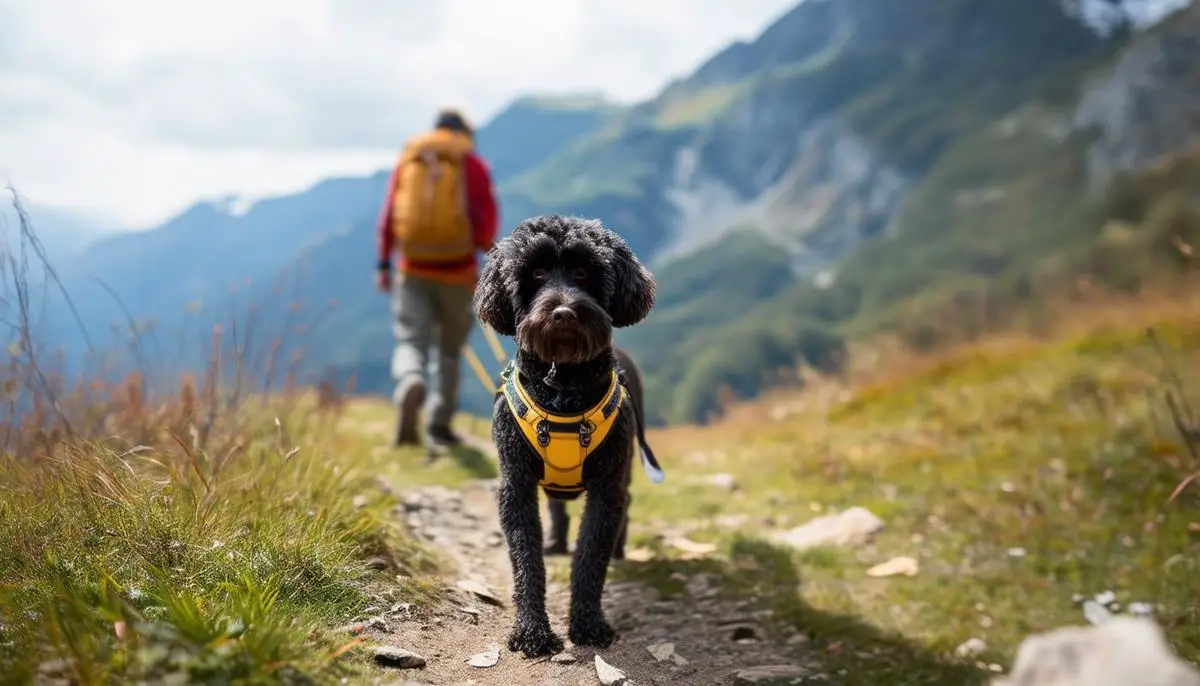
Hiking with your dog is a brilliant adventure, offering heaps of physical and mental stimulation. But let’s talk about the star of the show – the dog harness.
A well-fitted harness is like your pup’s favorite sofa – absolute comfort, only this one they wear on their body. It distributes pressure evenly, reduces strain, and makes tricky terrains a breeze. Trust me, it’s a lifesaver on those steep climbs and slippery slopes.
Ever watched a dog and owner struggle up a hill with just a collar and lead? A harness gives you better control without compromising their breathing or comfort. It’s like swapping a rickety caravan for a sleek, spacious motorhome. Instant upgrade!
Safety is key too. A proper fit prevents escapes and keeps them secure if they decide to chase after an overly curious squirrel. It’s peace of mind, knowing your furry friend is snug and safe.
A sturdy, well-designed harness cushions pressure points and moves with their body, keeping them injury-free and ready for the next adventure. You want one that can withstand muddy trails, sudden rain showers, and the general wear and tear of outdoor life.
So, picking the right harness is a must for prepping for an all-day hike. Comfort, safety, and control – it’s the trifecta that ensures your hike is memorable for all the right reasons. You’ll both be wagging your tails when you’re sipping tea post-hike, basking in the glow of a day well spent.
Types of Dog Harnesses for Hiking
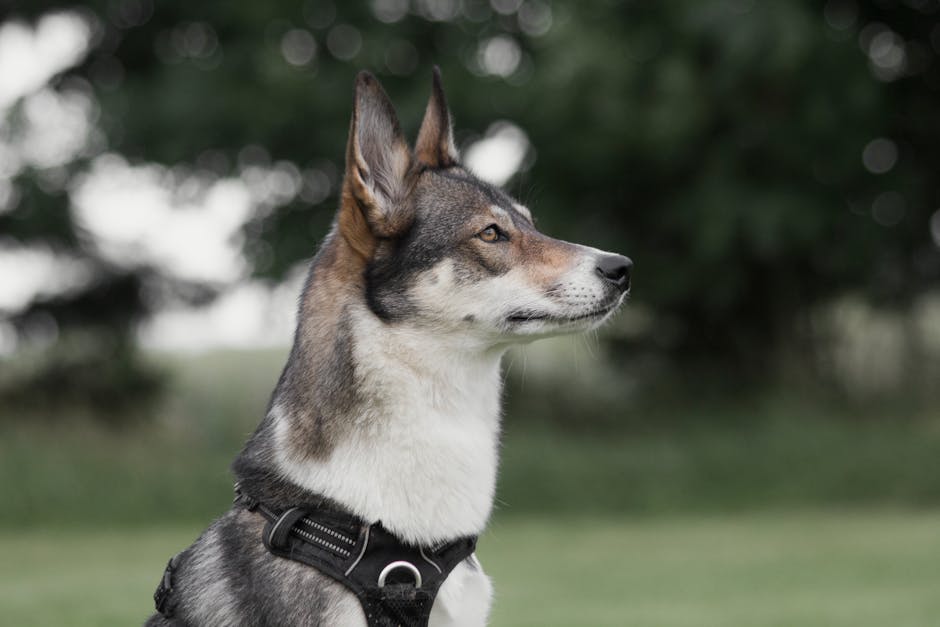
Selecting a harness for hiking offers several options, each with distinct benefits and drawbacks.
- Back-clip harness: Ideal if your dog is well-behaved on leash and doesn’t pull much. It’s suitable for smaller breeds or those not prone to lunging. The downside? Less control if you’ve got a particularly enthusiastic explorer.
- Front-clip harness: Helps redirect a dog’s attention back to you if they start pulling, making it great for training. It’s perfect for medium to large breeds and those more inclined to be strong pullers. However, it can sometimes twist around and needs a bit more adjustment.
- Dual-clip harness: Offers flexibility with attachment points at both the front and back. They’re great for larger breeds or for pups still working on their leash manners. These are a bit bulkier though, and could take some practice to figure out the optimal use of both clips.
Always consider your dog’s size, breed, and temperament when choosing a harness. Ensuring the right fit and material can make all the difference, leading to a comfortable and secure hike for both of you.
No harness can replace good obedience training and recall – but having a harness for those times when extra control and safety is needed makes good sense.
Key Features to Look For
When picking a dog harness for hiking, focus on these specific features:
- Adjustable straps: Allow for a snug fit, accommodating any changes in your dog’s size or coat thickness throughout the year.
- Padding: Enhances comfort, reducing the risk of chafing and pressure sores, particularly on long hikes.
- Breathable materials: Help regulate your dog’s body temperature, especially in warmer climates.
- Durability: Crucial for outdoor adventures. Opt for harnesses made from strong materials that can withstand rough terrains, mud, and frequent use.
- Handle: Offers extra control, particularly useful for helping your dog over obstacles or in tricky situations.
- Reflective elements: Boost visibility, especially if you’re hiking early in the morning or late in the evening.
- Hydration packs or pockets: Some harnesses come with these, allowing your dog to carry their own water or small supplies.
By focusing on these key features, you can select a harness that improves the hiking experience, ensuring comfort, safety, and convenience for both you and your canine companion.
Top Harness Brands for Hiking
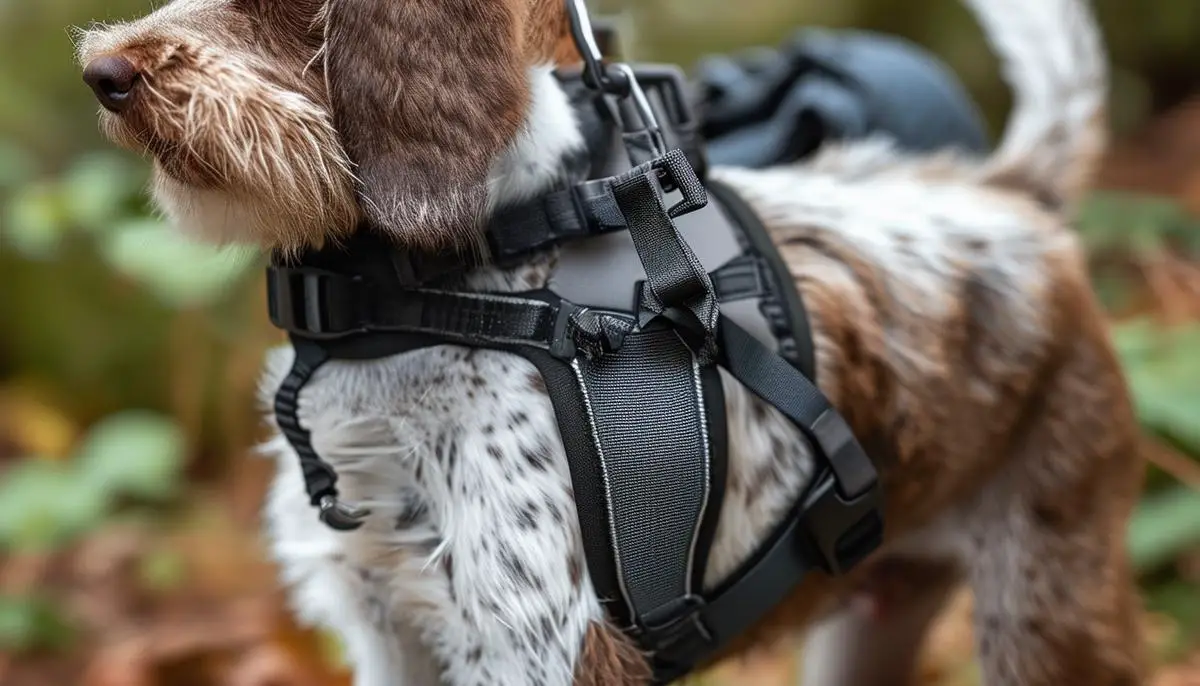
Several brands offer high-quality products for adventurous dogs and their humans:
- Ruffwear: Known for durability and comfort. Their Front Range Harness features padded chest and belly panels with front and back leash attachment points.
- Kurgo: The Tru-Fit Smart Harness offers a comfortable fit with five adjustment points and includes a seatbelt loop for safe car travel.
- EzyDog: Their Chest Plate Harness has an ergonomically designed chest plate for even load distribution and reflective stitching for visibility.
- Hurtta: The Active Harness is built for rugged adventures with four adjustable points and a back handle for extra control.
- PetSafe: The EasySport Dog Harness is made from soft, flexible material that doesn’t restrict movement, ideal for active dogs.
- Julius-K9: The IDC Powerharness is designed for both daily wear and hiking with strong construction and padded chest strap.
Selecting a harness from these top brands ensures you and your dog are well-prepared for a safe and enjoyable hiking experience.
Fit and Adjustability
Getting the right fit for your dog’s harness is crucial for their comfort and safety on a hike. Here’s how to measure your dog correctly and adjust the harness:
Measuring Your Dog:
- Measure neck circumference, just beneath where a collar usually sits.
- Measure chest girth, the widest part of their chest behind the front legs.
- Compare measurements to the harness sizing guide.
Fitting the Harness:
- Adjust the neck strap to allow two fingers underneath comfortably.
- Adjust the chest strap using the two-finger rule to check snugness.
- Ensure the harness doesn’t pinch or restrict movement.
Watch for common fit issues like the harness sitting too low on the shoulders or too loose around the body. Take your dog for a short walk to see how the harness performs and readjust if necessary.
Regularly check the fit, especially if your dog is growing or has fluctuations in weight, ensuring comfort and security on every hike.
Safety Considerations
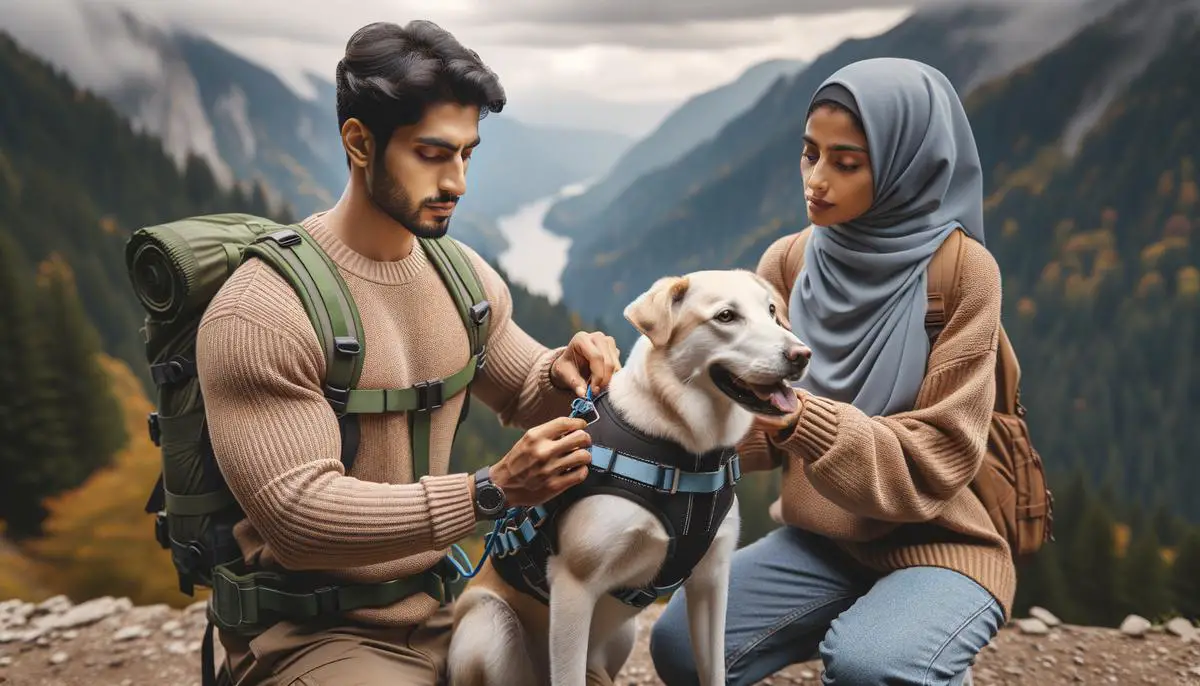
Safety is key when hiking with your dog. Here’s a guide on essential safety measures:
- Inspect the harness: Check for signs of wear and tear before each hike. Regular checks help spot potential issues early.
- Ensure proper fit: Use the two-finger rule to prevent discomfort and potential escapes.
- Take breaks: On longer hikes, remove the harness if possible to let your dog’s skin rest and prevent chafing and pressure sores.
- Carry a first-aid kit: Bring a basic first-aid kit designed for dogs and know how to perform essential first-aid steps for your pet.
- Bring backup: Carry a spare collar and lead in case the harness fails.
- Stay vigilant: Be aware of your surroundings and potential hazards. Keep your dog close to prevent risky situations.
- Know veterinary locations: Be aware of the nearest veterinary services before you start your hike.
Following these safety tips helps ensure worry-free adventures, letting you and your furry friend embrace the joys of the great outdoors together.
Maintaining Your Dog’s Hiking Harness
Taking care of your dog’s hiking harness keeps it durable and your pup comfy and safe. Regular TLC goes a long way!
Check the harness before and after hikes. Look for frayed edges, weak stitches, or damaged buckles. Catching these early means quick fixes or timely replacements.
Cleaning tips for different materials:
- Nylon and Fabric: Soak in warm water with mild soap. Scrub gently, rinse well, and air dry.
- Leather: Wipe with a damp cloth. Use leather cleaner for deeper cleaning, then condition. No soaking!
- Synthetic: Some might be machine washable. Check the label first. If okay, use a laundry bag, gentle cycle, and cold water. Air dry.
Keep harnesses out of direct sunlight when not in use. UV rays can weaken fabric and cause fading.
Store in a cool, dry place. Hanging it up keeps its shape and makes it easy to grab.
Know when it’s time for a new harness. If it’s noticeably frayed, has cracked buckles, or doesn’t fit snugly anymore, it’s time to shop.
Good care means your dog’s harness will be ready for many adventures to come!
User Reviews and Experiences
Let’s peek at what other hikers say about their dog harnesses:
- Ruffwear Front Range: “Great for my Border Collie in the Lake District. Comfy padding, super durable. Took some fiddling to get the fit right.”
- Kurgo Tru-Fit Smart: “Our Lab loves it. Five adjustment points for a perfect fit. Front D-ring helped with training. Had some fraying, but customer service was top-notch.”
- EzyDog Chest Plate: “Spreads pressure evenly. Love the reflective stitching for early walks. Buckles can be a bit stubborn.”
- Hurtta Active: “Perfect for our Beagle. Adjustable with a handy control handle. Reflectors are great. Takes a while to dry when wet.”
- PetSafe EasySport: “Easy to put on our Springer Spaniel. Flexible and comfy. Great for quick hikes. Wish it was tougher for rough terrain.”
- Julius-K9 IDC Powerharness: “Sturdy choice for my energetic Samoyed. No chafing, good visibility. Snug fit, but adjusting takes some muscle.”
These real-world experiences give you a taste of what to expect. Every pup is different, so what works for one might not be perfect for another. But these insights can help you find the right fit for your furry hiking buddy!
Harnessing Hiking Adventures with Your Dog
Ready to hit the trails with your pup? Here are some tips to make your hikes a blast:
- Start small. Short hikes help your dog build stamina and let you learn their trail quirks.
- Bring plenty of water and a collapsible bowl. Keep your pup hydrated to avoid overheating and maintain energy.
- Watch for signs of fatigue like excessive panting or slowing down. Take breaks when needed.
- Pack some high-energy snacks for quick boosts during longer hikes.
- After the hike, check for ticks or small injuries. It’s a simple step that can prevent bigger issues later.
- Bring a basic first aid kit and know where the nearest vet is, just in case.
When Frank and I started hiking, I noticed he preferred shady paths over rocky, sunny trails. Paying attention to your dog’s preferences can help you plan routes you’ll both enjoy.
With these tips, you’re all set for some tail-wagging adventures. Happy trails!
Leave a Reply