Choosing the Right RV
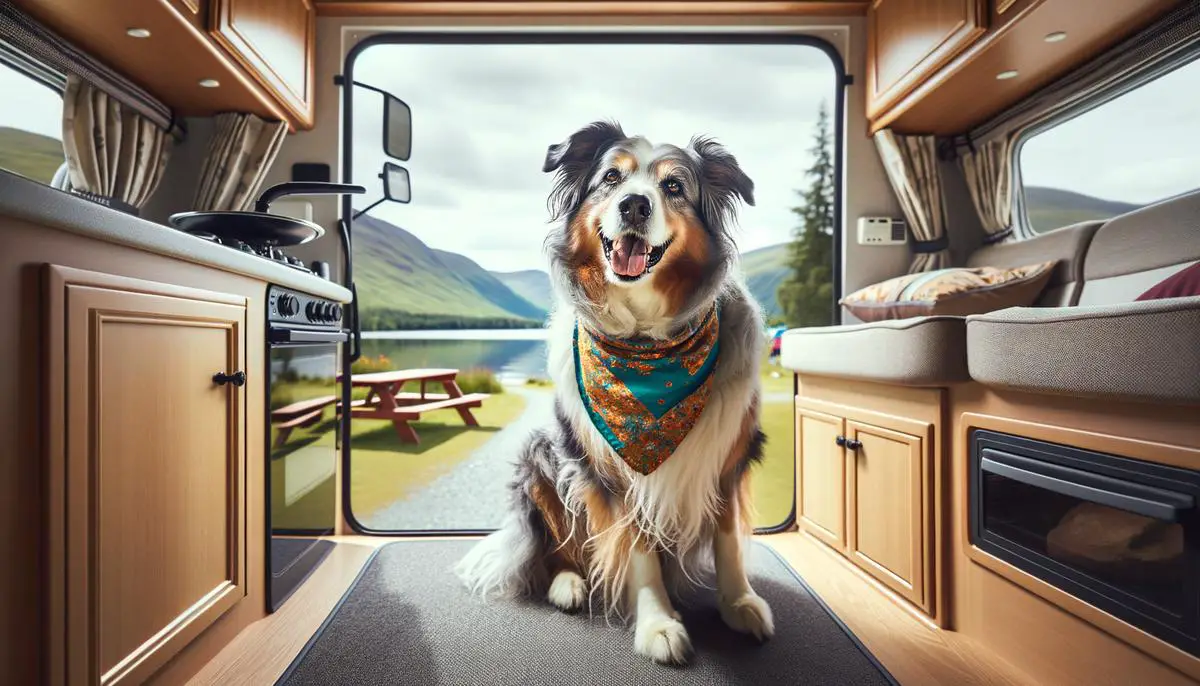
Finding an RV that suits the needs of a senior dog involves considering features like comfortable sleeping quarters, easy access in and out, and effective temperature control. Ensure there’s plenty of space for your dog’s bed and make sure the RV’s stairs or access points are manageable for dogs with impaired mobility.
Although these are not very common in the UK or Europe (yet!) RVs with slide-outs are often a good choice as they provide more floor space for your dog’s bed, ensuring they have a cosy and secure spot to rest. The bed should be placed where your dog feels safe and has easy access to water.
Senior dogs might struggle with steep or narrow stairs, so a ramp with a non-slip surface can help, particularly for dogs with arthritis or hip issues. Some RVs come with hydraulic or electric lifts, which can be a good investment for those with larger or less mobile dogs.
Temperature control is really important as older dogs can be more sensitive to fluctuating temperatures. Look for an RV with good insulation, air conditioning, and heating systems. Being able to regulate the climate inside your RV, especially when you’re away from the vehicle, is important for keeping your dog comfortable and safe. Sometimes, older dogs will prefer to rest while the familiy heads off on day adventures; in this case, consider fitting a remote thermometer with an app to monitor the temperature while you’re away from your van on trips.
Open-plan RV designs can be better as they give your dog more room to move without obstacles. Check that the furniture is placed to allow your dog to move around easily, avoiding sharp corners or narrow passages that could trip or injure your dog.
Storage for dog supplies shouldn’t be overlooked. Ensure you have space to stash food, toys, medications, and grooming supplies. An airtight container for food is recommended to keep it fresh and free from pests.
Lastly, consider an automatic water dispenser, which can be helpful in keeping your senior dog hydrated without spills and is often more practical than regular bowls. This is a game-changer and definitely worth the investment.

Preparing Your Dog for Travel
When preparing your senior dog for travel, it’s essential to make the RV a familiar and welcoming space. Begin by introducing your dog gradually to the RV environment to help alleviate anxiety and build positive associations.
Bring in their usual bedding, blankets, and toys, as these familiar items carry the scents of home and provide comfort. Allow your dog to explore at their own pace, rewarding them with treats and praise.
Visit the RV regularly, gradually increasing the time spent inside. Ensure your dog’s bed is placed in a quiet, draft-free area they find comfortable and secure.
Take your dog on test drives, starting with short trips around the neighbourhood and gradually extending the duration. During these initial drives, ensure they are securely restrained to keep them safe and minimise stress.
Monitor your dog’s reactions during test drives, as some may experience motion sickness. If this occurs, consult your vet for advice on managing symptoms.
Establish a routine that mimics your home environment, feeding your dog at their usual times and taking regular breaks for bathroom stops and leg stretches. Keep a bowl of fresh water accessible at all times, considering an automatic water dispenser to maintain hydration without spillage.
Maintain a calm and positive demeanour throughout the preparatory phases, as dogs are attuned to their owners’ emotions and will look to you for reassurance.

Managing Health and Safety
Before hitting the road, visit your vet for a comprehensive health check-up and to discuss your travel plans. Update your dog’s health record with vaccination history, medications, ongoing health issues, and your vet’s contact information.
Research and jot down the contact details of veterinary clinics and emergency services in the areas you’ll be visiting. Consider contacting these clinics in advance to understand their services and availability.
On longer trips, plan to fit in regular vet check-ups, ideally in locations where you can spend time to let your dog recover from any stress caused by travel or examinations.
Stick to your dog’s usual food to prevent tummy problems, as sudden changes in diet can increase stress. Pack enough food or ensure you have reliable places to restock along the way, storing it in an airtight container.
Always have fresh water available for your dog, considering an automatic water dispenser and using sturdy, easy-to-clean travel bowls. Non-spill bowls are ideal too.
Bring along your dog’s favourite blanket or toy to offer a sense of home and ease anxiety. Regular brushing, grooming, and checks for ticks and other parasites can keep their coat and skin in good condition. This can also give the dog physical comfort and lower stress levels (good for the human too!)
Creating a Comfortable Travel Routine
Plan your travel route to include regular stops at dog-friendly rest areas or parks every couple of hours, allowing your senior dog to relieve themselves and stretch their legs.
Feed your dog at the same times each day to maintain their digestive rhythm, providing their regular diet in a calm environment away from travel-related activities.
Tailor your dog’s exercise routine to their energy levels and physical abilities, with short walks, gentle play, or simply roaming around a new campsite. Be mindful of their limitations and avoid excessively strenuous activities, especially when there have been significant changes in temperature or altitude.
Choose routes with minimal traffic and smoother roads to reduce physical strain, and plan overnight stops at dog-friendly campsites where your dog can relax.
Incorporate grooming into your daily routine to keep their coat clean and free of matting. Regular brushing can be a bonding activity that reassures your dog. Clean their paws after each walk to prevent irritation from debris.
Keep their bedding clean and in good condition, regularly shaking out blankets to remove debris and provide a clean, inviting space to rest.

Finding Pet-Friendly Services and Amenities
- Research pet-friendly RV parks and campgrounds and look for parks with dedicated dog-walk areas, pet waste stations, and pet-friendly policies. All camping and motorhome sites are dog-friendly and you can filter other sites to ensure your best pal is welcome.
- Choose campsites with ample shade, safe surroundings, and policies that align with keeping your pet safe, such as leash rules and designated pet areas.
- Utilize services like Amazon and nationwide pharmacy chains for medication refills and pet supplies, setting up automatic refills and delivery to your current location.
- Have a list of local veterinarians and emergency vet clinics for each new location, researching these services using Google Maps, Yelp, or veterinary association websites. Note their hours of operation and whether they offer out-of-hours services.
- Connect with local pet owners through online forums and social media groups for valuable insights and recommendations on pet-friendly locations and services.
- Upon arriving at a new location, take time to acclimate by visiting pet-friendly facilities, such as local parks, veterinary services, and pet supply stores.
- Carry a portable first-aid kit for your dog, including items such as wound disinfectant, bandages, tick removers, and any emergency medication your pet may need.

- Cianciolo PJ, Benali S, Lees GE. Aging in the canine kidney. In: Withrow SJ, Vail DM, Page RL, eds. Withrow and MacEwen’s Small Animal Clinical Oncology. 5th ed. St. Louis, MO: Elsevier Saunders; 2013:716-722.
- Metzger FL. Senior and geriatric care programs for veterinarians. Vet Clin North Am Small Anim Pract. 2005;35(3):743-753.
Leave a Reply